
The Ultimate Hiking Checklist
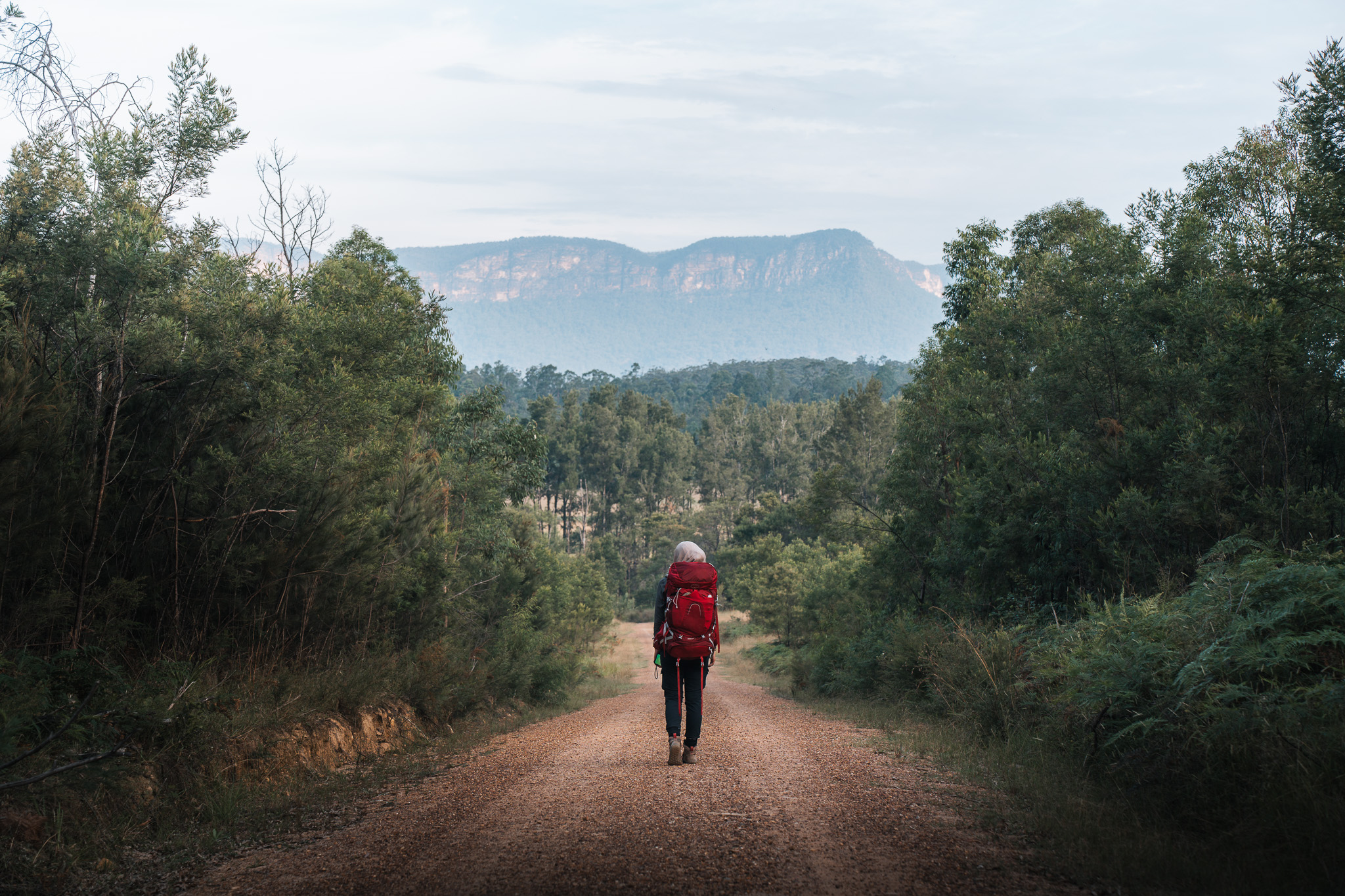
I’ve put together the ultimate packing list for both day hikes and overnight hikes. It covers all the essentials you’ll need for most hiking adventures around Australia.
Explore Hiking Trails



Subscribe to our mailing list
Be informed about upcoming group hikes, hiking tips and new adventures
Hiking gear, tips & itineraries
Your go-to resource for hiking tips and gear recommendations. Explore the world of trails and discover essential equipment to enhance your outdoor adventures.
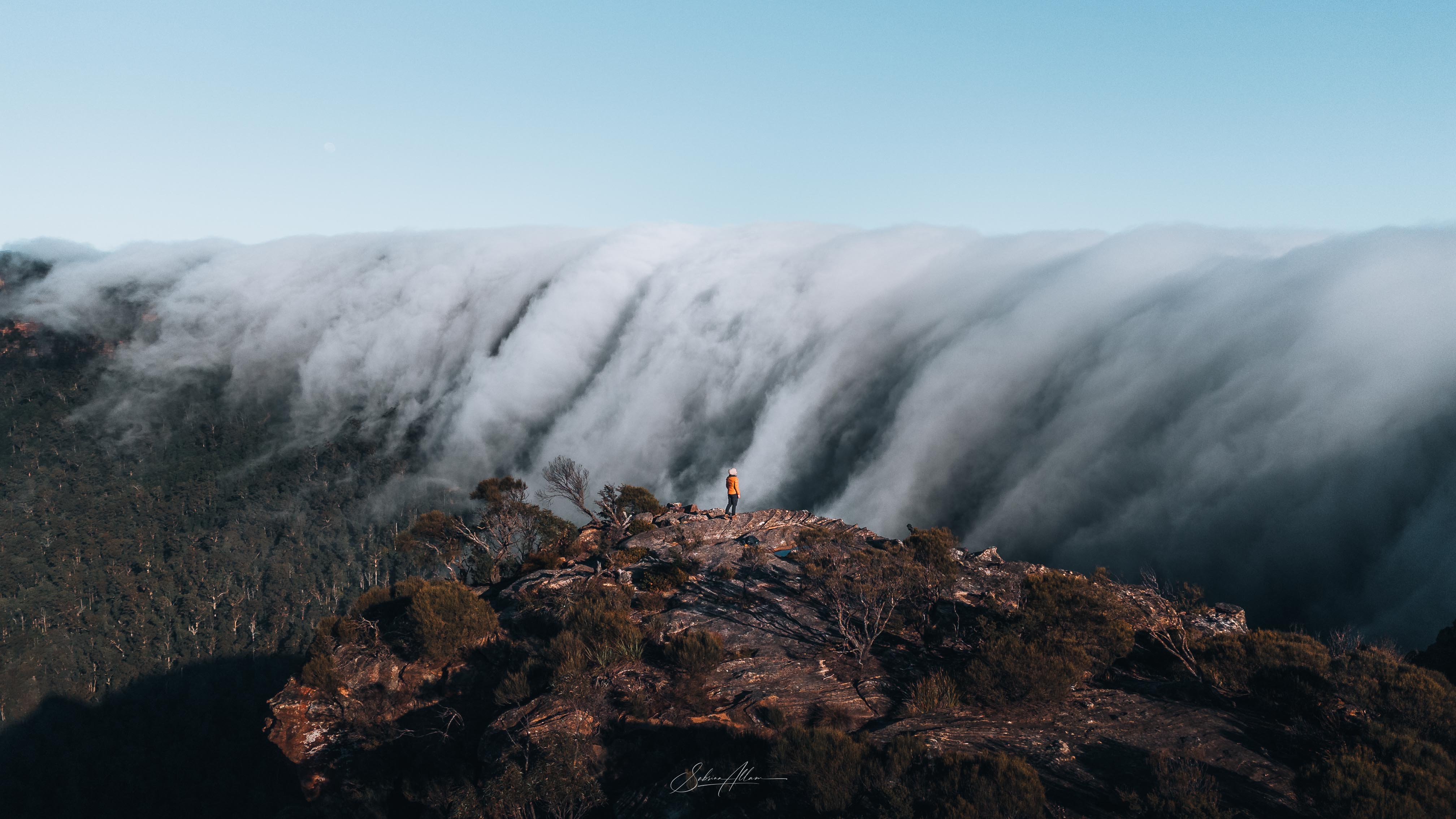
Phantom Falls, Blue Mountains - A Cloud Waterfall
The Essential Guide to Hiking Apps for Aussie Adventures
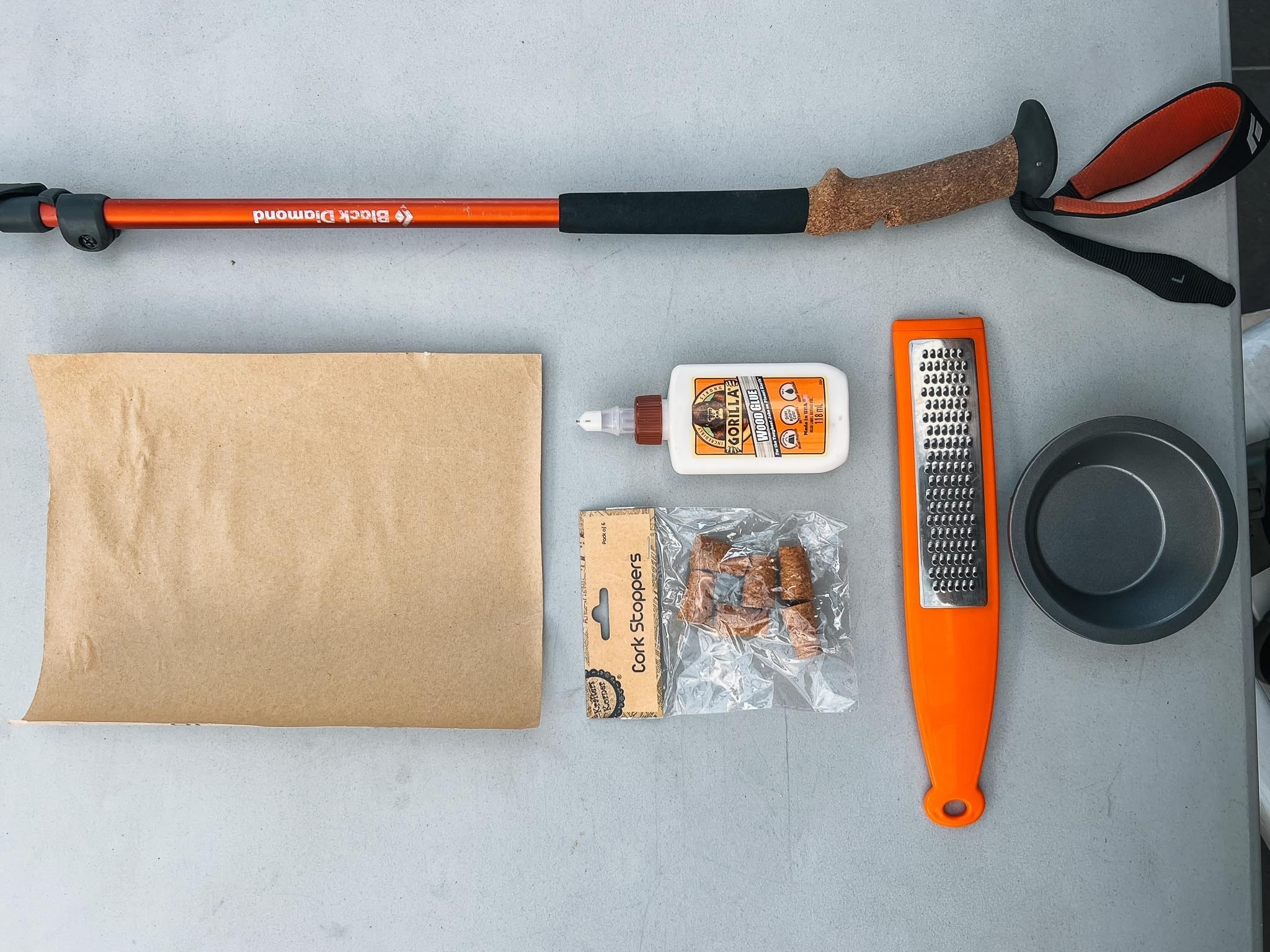
Repairing Cork Handle Hiking Poles
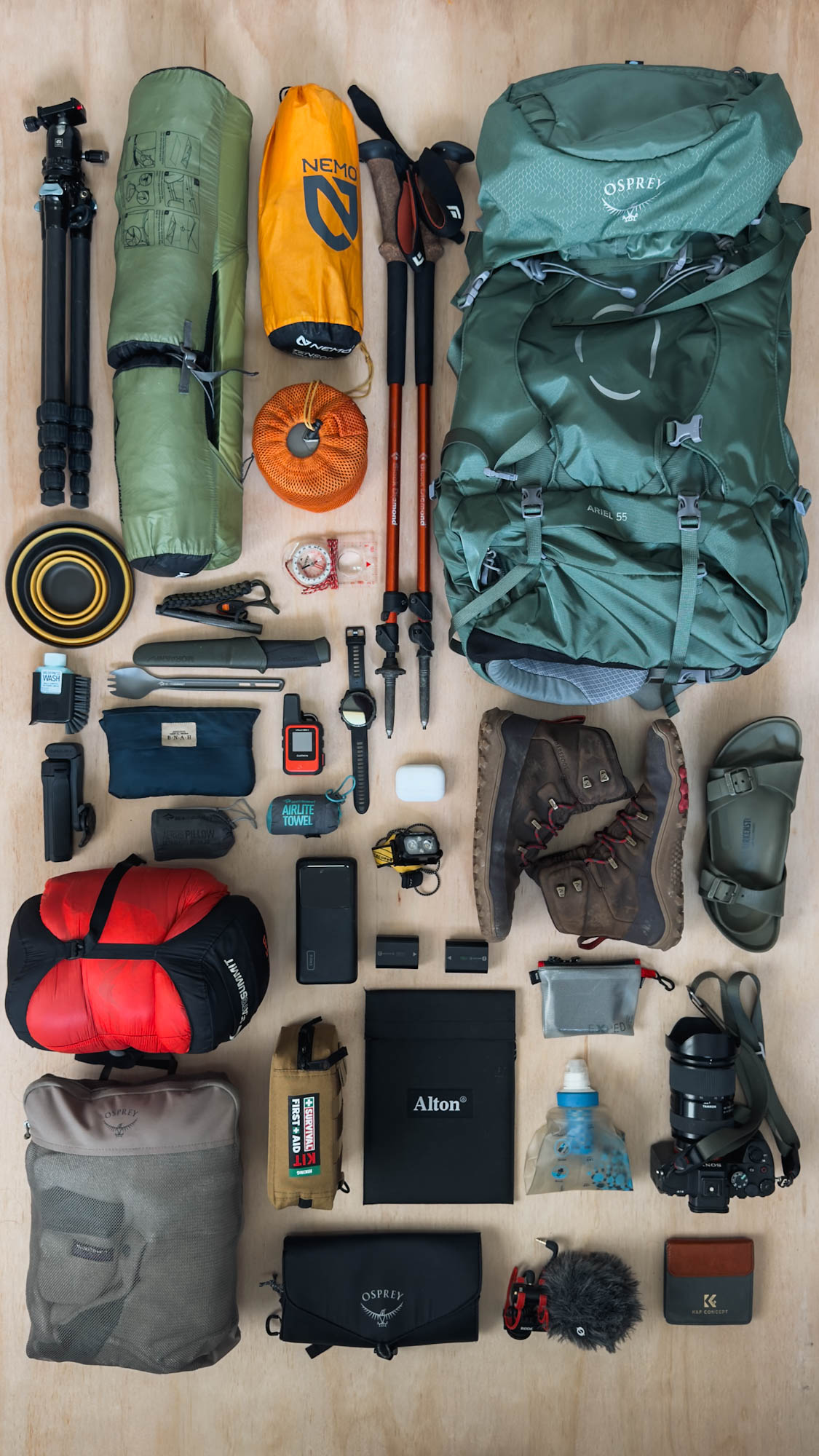
Camera gear while hiking?
Follow my journey
FAQs

The Sony A7IV is my primary camera, paired with a Tamron 28-75mm f/2.8 lens. I always carry my camera and iPhone on every adventure at a minimum. I use my iPhone frequently for sharing pictures and videos on my stories. Depending on the adventure, I might also bring my DJI Air 3 for aerial shots. For a different perspective, especially in vast landscapes or hiking up mountains, I occasionally use my Insta360 One X2. See this blog for a detailed breakdown of my gear and how I use it on my adventures.
In short, no, I don't get scared when hiking solo, but this sense of security is built on experience, understanding, and knowledge. It's about feeling confident while out there, being fully aware of the track I'm taking, always informing someone about my hiking plans, and most importantly, enjoying the moment. For more insights on solo hiking and how to prepare for it, you can read this blog about hiking as a solo female.
Just like anything new, starting hiking can feel a bit daunting at first, but it doesn’t have to be. The first step is ensuring you have the basics: food, water, proper clothing, and a trail that matches your fitness level. From there, start small and take it one step at a time to build your confidence. Here are some tips to help you begin your hiking journey:
Choose Easy Trails: Start with short, well-marked trails suited to your fitness level. Popular trails are great for beginners as they’re often easier to navigate and have other hikers around in case you need help.
Gear Up Without Overthinking: You don’t need expensive gear to start. Wear comfortable, weather-appropriate clothes (avoid cotton in cold weather) and shoes with good traction. A lightweight backpack is useful for carrying essentials.
Pack Smart: Bring plenty of water (around 0.5–1 litre per hour of hiking), snacks, sun protection, a first aid kit, and an extra layer in case the weather changes. Download the trail you're doing offline to stay on track, even without phone service.
Understand Your Fitness Level: Take a “test drive” hike to gauge your current fitness and adjust your pace. Build endurance and strength with cardio, leg exercises, and stability training.
Check the Weather: Review the weather forecast leading up to your hike and the morning of. Be prepared for sudden changes, and don’t hesitate to turn back if conditions become unsafe.
Tell Someone Your Plans: Share your itinerary and expected return time with someone you trust.
Respect Nature and Wildlife: Stick to trails, practice Leave No Trace principles, and avoid disturbing wildlife. Keep a safe distance, especially from animals like snakes.
Find Your Pace: Hike at a comfortable pace and enjoy the journey. It’s okay to stop and take in the scenery.
Try Group Hikes: Join a group or hike with a buddy if you’re unsure about going solo. It’s a great way to learn from experienced hikers.
Hiking is all about enjoying the outdoors and taking it one step at a time. As you gain experience, you’ll discover what works best for you.
For those just entering the world of drones, selecting the right model can feel overwhelming. However, based on personal experience, here are some top recommendations tailored to different needs and budgets.
DJI Mini 5 Pro: The newest in DJI’s mini series, the Mini 5 Pro takes things up a notch with a larger 1-inch sensor that captures incredible detail and performs beautifully in low light. It also shoots in both portrait and landscape, making it ideal for creators who post across different platforms. Like the earlier Mini models, it weighs under 249 g, which means fewer flying restrictions in many countries, a huge plus for travellers. If you’re happy to invest a bit more, the Mini 5 Pro is currently one of the best compact drones for both travel and content creation.
DJI Mini 4 Pro: The Mini 4 Pro remains one of the most popular and reliable compact drones on the market. It’s lightweight, packed with features, and produces excellent image quality. With strong obstacle avoidance sensors, a stable flight system, and the same sub-249 g weight, it’s an amazing all-rounder for travellers and beginners who want high-quality footage without the complexity of a larger drone.
DJI Air 3S: The DJI Air 3S builds on the already impressive Air 3, offering upgraded image quality, better obstacle detection, and improved low-light performance. It has a dual-camera system with both a wide-angle and 3x telephoto lens, giving you more creative flexibility for landscapes and close-up details. This is the updated version of the drone I personally use (the DJI Air 3).
DJI Flip: The DJI Flip is a great entry-level drone for beginners. While it doesn’t include advanced features like collision avoidance, it offers essential safety functionalities such as stable flight modes and return-to-home capability, making it simple and fun to fly. Known as a great vlogging drone, the Flip is compact, affordable, and can even be controlled without a remote, adding convenience for creators who are just starting out.
The DJI Mini 4 Pro or DJI Mini 5 Pro are the best places to start. Both are portable, beginner-friendly, and deliver outstanding footage. If you’re looking to take things a step further, the DJI Air 3S is a brilliant choice for more advanced photography and cinematic shots.